Not all motivations are created equal
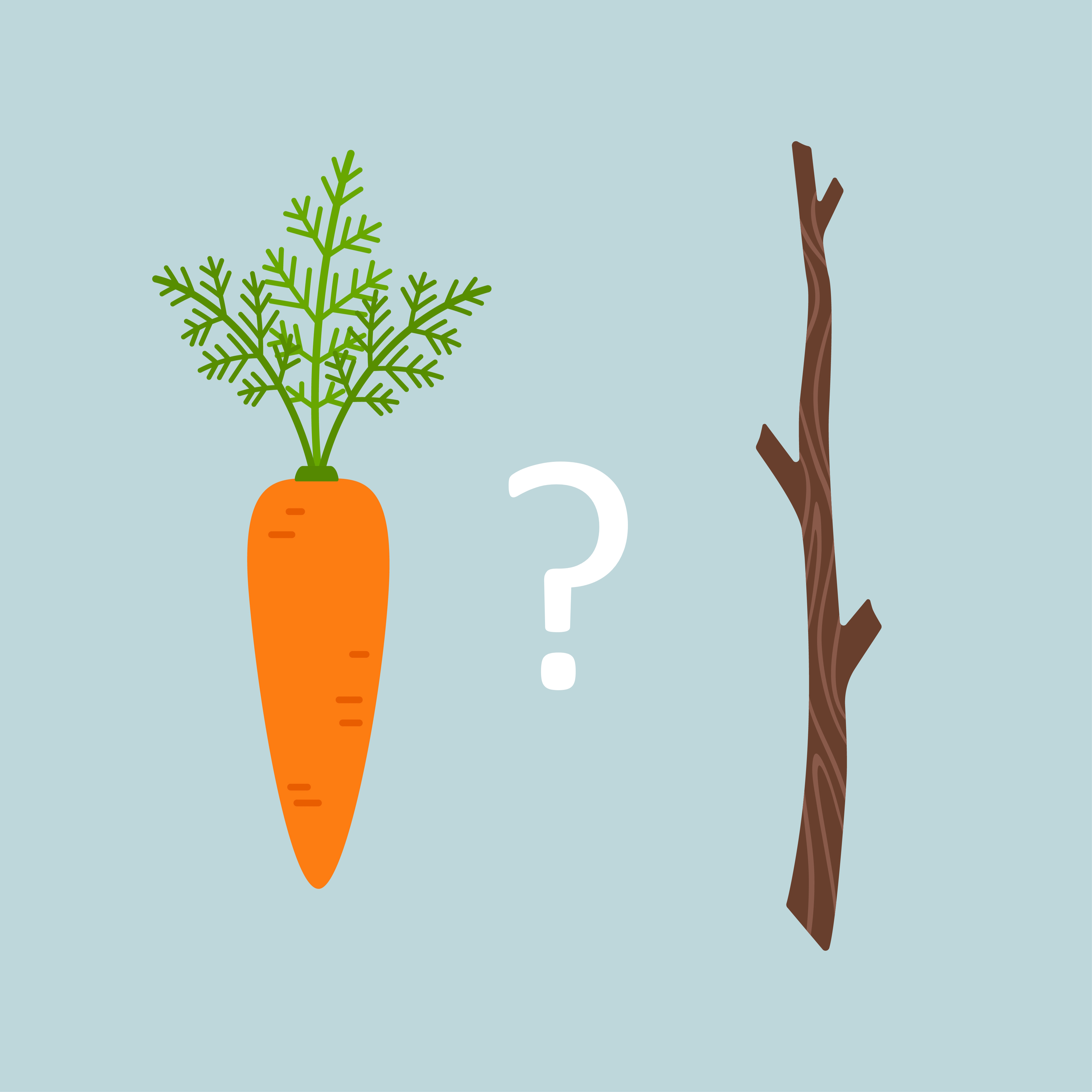
Not all motivation is created equal. Motivation is the reason, or the 'why', we engage in something or not. Motivation can drive us to play an instrument, to change an unhealthy diet, or to engage at work. Research shows that it's not just the quantity of motivation that matters, it's the quality of motivation.
Junk motivation is fragile, and often makes us feel bad (think of doing something out of guilt). Quality motivation yields long-term engagement and feels good.
Self-determination Theory is a theory of motivation that has studied motivation in various contexts for over 40 years. It's rigorous. The theory has been carefully constructed and has been cited over to 50,000 times by researchers. Self-determination Theory has shown that motivation types can vary across a scale. From motivation that is driven by outside controls (junk motivation) and one end of the scale, to motivation that's driven from inside us at the other end of the scale.
Below, we talk briefly about different motivation types, starting from the most controlled to most internal types of motivation.
Junk motivation types
1. Carrot and stick motivation
This is about external incentives: rewards and punishments. Carrot and stick motivations are good at achieving compliance. However, this type of motivation is often short term, and dependent on the carrot or stick. Behaviour disappears when the reward or punishment are removed, or when challenges or failures associated with the task arise. These motivations can also require those in power to continue to up the ante around the carrot or stick to continue to motivate the behaviour. Think higher and higher performance-based bonuses at work.
2. Inner critic
This motivation is about an internal rather than external reward or punishment. Motivations like guilt, shame, or wanting to be admired by others. Think “should-isms.” It's about our ego involvement. With behaviours motivated by the inner critic, we can fly high when we succeed with an inflated self-esteem. However, this motivation is unstable. Failure can bring feelings of guilt and shame and erode our motivation. Ultimately, motivation from the inner critic only works for a little while and mostly makes people feel bad.
Quality motivation types
3. Meaning, values, and identity-based motivation
This is motivation characterised by personal importance. When we self-endorse a particular goal as being important to us. The behaviour might connect to our values. For example, a teacher who engages in the classroom because they care about children having the best start in life. Or, the behaviour might connect to other things that matter in our lives. Such as someone who exercises to improve a heart condition. These motivations yield long-term engagement. They also create flexible thinking and persistence in the face of failure.
These motivations yield long-term engagement. They also create flexible thinking and persistence in the face of failure.
We feel good and perform well when driven by these motivations.
4. Intrinsic motivation
The promised land in terms of motivation. Intrinsic motivation is characterised by interest, enjoyment, and inherent satisfaction of the activity. Think of a child who likes to play endlessly just because it’s fun. Or someone who finds playing the piano immensely enjoyable. Ultimately, this motivation is self-sustaining, provided well or ill-intentioned others don't mess it up. For example, if a parent started rewarding the piano performances, the student’s motivation could focus on the reward instead of the internal drives. We feel good and perform well when we are intrinsically motivated. The challenge can be, that not all behaviour can be fun or interesting, just ask me about folding laundry!
Why do motivation types matter?
As we've discussed earlier, high-quality motivation is about feeling good and performing well. It's possible to design workplaces and projects that support high-quality motivation.
Want to learn more?
Small is Beautiful has experience in program designs that support motivation. We also have tools and approaches that can help characterise people's motivations. If you are interested in learning more about motivations or would like to understand how to support motivations in your context, please get in touch.
Image credit: Mayalis - shutterstock.com